
Antibiotics are one of the most commonly misused medications. This poses a big risk both for the animal that gets the antibiotic unnecessarily and for people, because irresponsible use of antibiotics creates antibiotic-resistant bacteria.
Periodontal disease, which is the most common oral disease in dogs and cats, is triggered by various microorganisms (not just bacteria, which antibiotics target) that are organized in a biofilm (dental plaque). Microorganisms in the biofilm are very well protected both from external influences (antibiotics, antiseptics) and from the host’s immune response. That is why the only proper way to treat periodontal disease is still mechanical removal of the plaque by daily tooth brushing at home and occasional professional removal of dental plaque above and especially below the gum line at the vet (or even tooth extraction if the disease has progressed). By mechanically reducing the tissue load with microorganisms, the host’s immune response also calms down resulting in a reduced inflammation that, in the vast majority of cases, does not require treatment with antibiotics or antiseptics, neither before, during, nor after the procedure. An increasing number of studies shows, that the overall recovery of animals and wound healing after tooth extractions in otherwise healthy animals (ensuring that the procedure was performed under aseptic conditions) is uncomplicated, even if antibiotics and antiseptics were not used during and after the procedure.

However, as a profession we have not yet reached a consensus on how to manage animals with underlying diseases. In these animals, clinical decision-making is mainly guided by the knowledge from human medicine, and the use of antibiotics during the procedure is primarily intended for animals where complications might arise due to bacteremia – the spread of bacteria from the mouth through the bloodstream to harm other parts of the body (e.g., in animals with a history of infectious endocarditis or severe/advanced cardiac diseases, in animals with impaired immune response due to underlying diseases or treatments, in animals with orthopedic or other implants, in animals with open jaw fractures or if we expect anesthesia to last several hours).
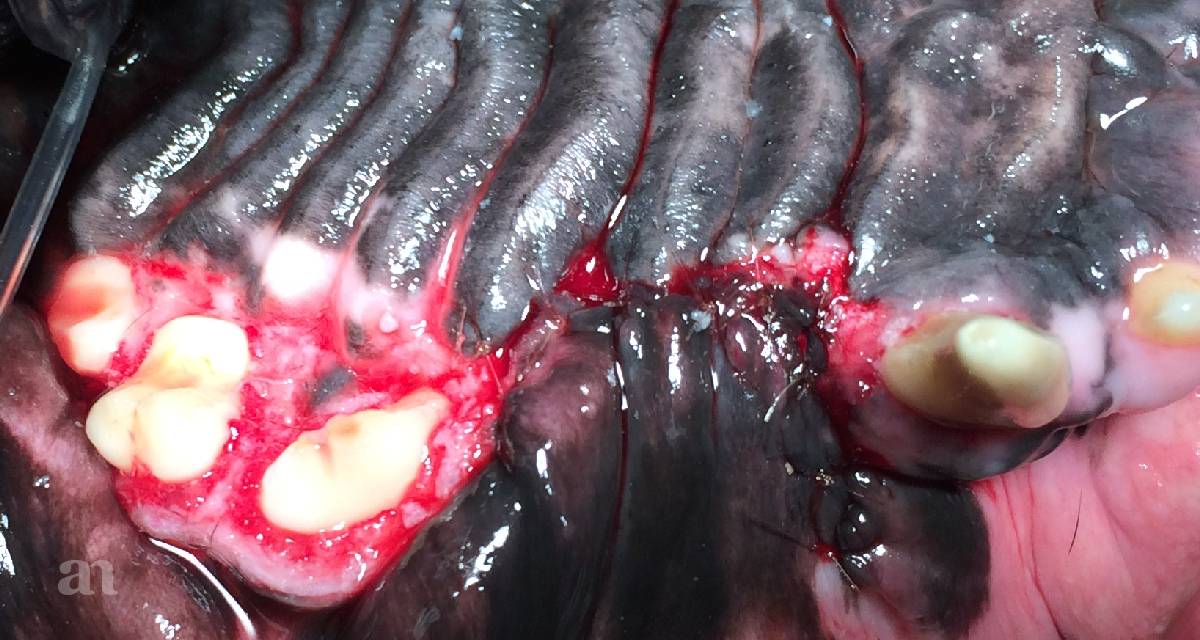
We would only use antibiotics after the procedure in those very rare dogs and cats who have osteomyelitis (extensive infection of the jaw bones), severe necrotizing stomatitis (inflammation of the oral mucosa), or periodontal trauma (tooth luxation or avulsion that we treat with tooth reimplantation), aiming to use antibiotics based on microbiological analysis (culture and sensitivity).
In summary, if we apply professional guidelines to our daily practice, we actually realise that only a handful of dogs and cats truly need antibiotics during and after a dental procedure – which is good for both the animals and humans.
If you have noted any problems with your animal, please consult your veterinarian.
Selected references
- Blazevich M, Miles C. The presence of bacteremia in 13 dogs undergoing oral surgery without the use of antibiotic therapy. J Vet Dent 2024;41(4):312-323. doi: 10.1177/08987564231207208.
- Buonavoglia A, Leone P, Solimando AG, Fasano R, Malerba E, Prete M, Corrente M, Prati C, Vacca A, Racanelli V. Antibiotics or no antibiotics, that is the question: an update on efficient and effective use of antibiotics in dental practice. Antibiotics (Basel) 2021;10(5):550. doi: 10.3390/antibiotics10050550.
- Ljungquist D, Andersson M, Areskog M, Andersson AM. Antibiotic use in dental care of dogs, cats, and rabbits in Sweden. J Vet Dent 2024;41(3):192-196. doi: 10.1177/08987564231189655.
- Montebello JA, Granick JL, Bollig ER, Goldschmidt SL. Variation in knowledge, attitude, and practices toward antibiotic use among diplomates of the American Veterinary Dental College: a survey-based study. J Am Vet Med Assoc 2023;261(S2):S6-S13. doi: 10.2460/javma.23.06.0304.
- Nemec A. Ensuring aseptic standards in veterinary dentistry : key considerations and future directions. V: 33rd European Veterinary Dental Forum : 7 – 9 May 2026, Porto, Portugal : book of proceedings. Inkberrow: European Foundation for Veterinary Dentistry, 2026. Str. 30. ISBN 978-1-0369-5705-6.
- Rigby BE, Malott K, Hetzel SJ, Soukup JW. Incidence and risk factors for surgical site infections following oromaxillofacial oncologic surgery in dogs. Front Vet Sci 2021;8:760628. doi: 10.3389/fvets.2021.760628.
- Soltero-Rivera M, Battersby I, Morrison J, Spofford N, Weese JS. Antimicrobial use practices in canine and feline patients with co-morbidities undergoing dental procedures in primary care practices in the US. PLoS One 2024;19(7):e0305533. doi: 10.1371/journal.pone.0305533.
- Šparaš L, Nemec A. Incidence of wound healing complications after tooth extractions in dogs. V: 33rd European Veterinary Dental Forum : 7 – 9 May 2026, Porto, Portugal : book of proceedings. Inkberrow: European Foundation for Veterinary Dentistry, 2026. Str. 96-97. ISBN 978-1-0369-5705-6.
- Volk AC, Goldschmidt SL, Bollig ER, Montebello JA, Granick JL.Prophylactic antibiotic use is common in dogs and cats presenting for procedures at veterinary referral dental practices. J Am Vet Med Assoc 2024;263(4):483-491. doi: 10.2460/javma.24.08.0524.
- Weese JS, Battersby I, Morrison J, Spofford N, Soltero-Rivera M. Antimicrobial use practices in canine and feline dental procedures performed in primary care veterinary practices in the United States. PLoS One 2023;18(12):e0295070. doi: 10.1371/journal.pone.0295070.


